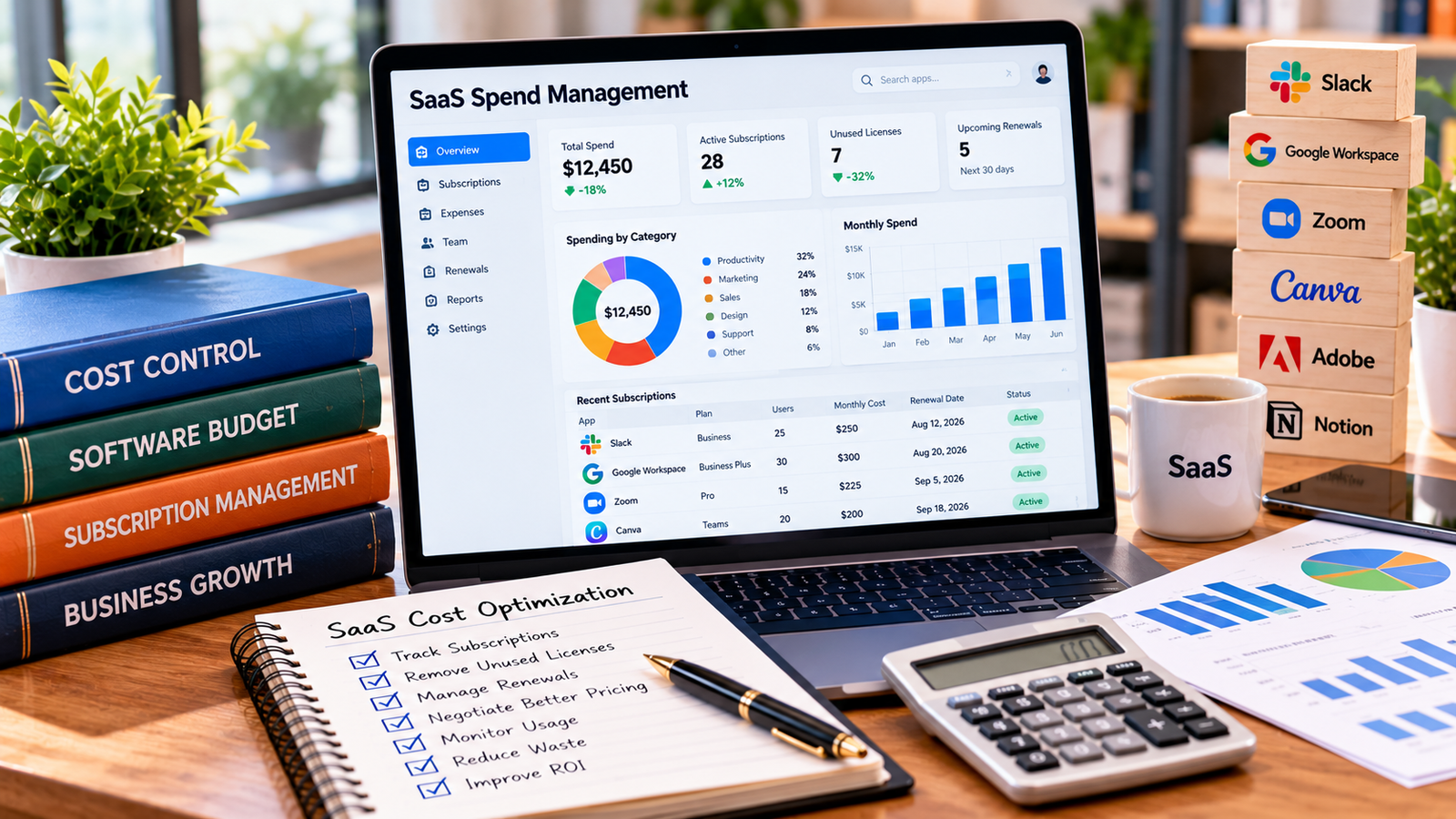
Businesses now use software for sales, accounting, customer support, design, project planning, and many other tasks. These tools save time, but their costs can grow as teams add more apps and users. A company may pay for tools that staff rarely use, duplicate features across platforms, or renew plans without checking their value.
SaaS spend management helps a business understand what it pays for cloud software and decide where its money should go. It brings subscription costs, user access, contracts, renewals, and software value into one clear process. With the right habits, companies can reduce waste while keeping the tools that help people do good work.
Why Software Costs Become Hard to Track
Many teams buy software at different times and for different reasons. A marketing worker may sign up for a design app, while a sales team buys a customer tracking platform. Finance may know about some payments, but it may not see every card charge or renewal notice. Over time, these small choices can create a large bill.
SaaS spend management gives teams a shared view of software purchases. Instead of relying on scattered emails and spreadsheets, a business can keep a central list of apps, owners, costs, renewal dates, and user counts. This list helps leaders see where money goes and who is responsible for each tool.
Duplicate apps are a common source of waste. Two departments may pay for separate tools that offer similar features. The tools may both be useful, but the company should compare their cost, security, and use before keeping both. A simple review can reveal whether one platform can meet the needs of several teams.
Unused accounts can also raise costs. Staff may leave, change roles, or stop using a product while their licenses remain active. Regular account checks help the company remove access that is no longer needed. SaaS spend management works best when finance, IT, and department leaders share responsibility for these checks.
Build a Clear Software Inventory and Budget
Start by listing every saas spend managementproduct the business uses. Include monthly and annual plans, free trials, add-ons, extra storage, paid seats, and services billed through employee cards. Do not overlook tools purchased by small teams without a central approval process.
For each app, record the product name, business owner, team, number of licenses, total cost, payment method, contract terms, and renewal date. Add a short note about the task the software supports. This makes it easier to decide whether the expense still serves a real need.
SaaS spend management becomes more useful when the inventory links spending to business goals. For example, a customer support platform may help a company answer requests faster, while a reporting tool may reduce manual work. If a tool has no clear owner or purpose, ask the team to explain why it should stay.
Next, create a budget based on current use and planned growth. Saas spend management, and include expected price changes or new hires. Avoid setting a budget only by copying last year’s total. Review whether each subscription still fits the team’s needs and whether a lower plan would work.
Choose a simple approval process for new purchases. saas spend management, check whether the company already owns a suitable tool, and identify the expected cost. This does not need to slow every decision. A clear path for small purchases and a stronger review for large contracts can keep work moving.
Reduce Waste Without Hurting Productivity
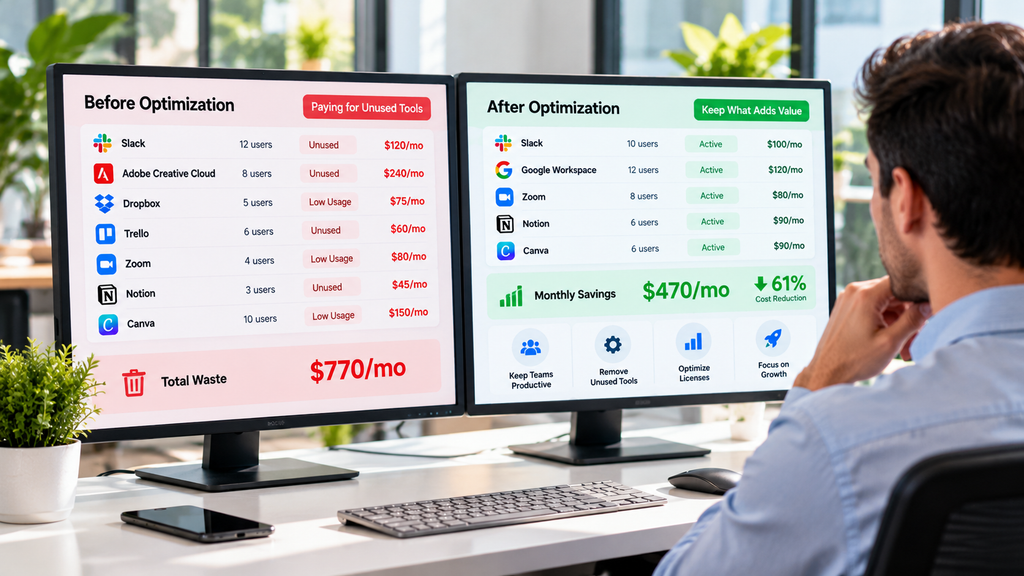
The goal is not to cut every subscription. Removing a tool that employees rely on can create delays, extra manual work, or poor customer service. A good review weighs the cost against the value the software provides.
Use reports to find products with low login activity, unused licenses, or features that no team uses. Speak with the app owner before making changes. Some products are used only at certain times, so a short activity report may not show their full value. SaaS spend management should combine data with feedback from the people who use the tools.
Check license levels as well. A business may pay for advanced plans when basic features are enough. Other teams may need premium features but have too few licenses. Match the plan to actual work, and confirm that any change will not remove a feature the team needs.
When a contract is close to renewal, review the price and terms early. Ask the vendor about lower-cost plans, flexible seat counts, or discounts for a longer commitment. saas spend management, but consider migration time, training, data transfer, and support before switching.
Set reminders well before renewal dates. This gives the business time to check usage, review security, speak with the vendor, and decide whether to renew or cancel. A missed cancellation window can lock a company into another term. Clear ownership helps prevent that surprise.
Protect Data and Set Rules for Software Buying
Cost control is only one part of software oversight. Each new app may collect customer details, employee records, or company files. Before approval, check what information the product stores, who can access it, and whether it meets the business’s security needs.
Create rules for access and offboarding. New workers should receive only the tools they need, and access should be removed when someone leaves or changes roles. Use single sign-on and multi-factor authentication where available. Keep a record of app owners so someone is responsible for access reviews and renewals.
SaaS spend management can also help reduce the risk of shadow IT, which happens when employees use software without the knowledge of IT or management. Workers often do this because they need a quick solution. Offer a simple way to request tools and explain why review matters, rather than relying only on bans.
Review vendor terms before signing a large agreement. Pay attention to automatic renewal, cancellation windows, data export, support, price increases, and user limits. For important systems, ask how the provider handles outages and protects stored information. Legal or security teams may need to review higher-risk products.
Use clear measures to track progress. Useful measures include total monthly software cost, cost per user, unused license rate, duplicate tools found, and savings from renewals. SaaS spend management should also track service quality, because a lower bill is not a success if it harms the work the software supports.
Make Software Reviews a Regular Habit
A single cleanup can find quick savings, but software use changes as teams grow. New staff join, projects end, vendors change prices, and better tools appear. Set a regular review schedule so the inventory remains accurate and decisions do not depend on memory.
A monthly check can focus on new purchases, unusual charges, and accounts linked to staff changes. A quarterly review can look at usage, overlapping tools, and budget trends. Before annual renewals, give owners enough time to test whether the product is still useful and negotiate terms.
US B2B Companies Small Size SaaS AI Services and Business Benefits
SaaS spend management is easier when teams can see the same facts. Finance can report costs, IT can review access and risk, and department owners can explain how tools support their work. Agree on who approves purchases, who checks renewals, and who can cancel an app.
Start with a small project if the software list is large. Choose one department, collect its subscriptions, confirm the owners, and review licenses. Record the results, then improve the process before expanding it across the company. This practical approach can make the change easier to manage.
SaaS spend management should be a shared business process rather than a task left to one person. When teams know how purchases are approved and how software use is reviewed, they can make better choices before costs grow. This also helps new staff follow the same process from the start.
Conclusion
Software subscriptions can support growth, but unmanaged costs can weaken a budget. A clear inventory, sensible approval rules, regular license checks, and early renewal reviews help businesses pay for tools they truly need. SaaS spend management brings these tasks together so teams can make informed choices.
Sell SaaS Business: How to Prepare, Find Buyers, and Get a Better Deal
The strongest process balances savings, security, and productivity. Review data, ask employees for feedback, and measure whether each tool supports a real business goal. With consistent ownership and regular checks, companies can control software costs without removing the tools that help their people succeed.