


Small Business Insurance: Types, Costs and How to Choose Coverage in 2026
Introduction
Every small business faces risk. A customer slips on a wet floor, a fire damages your shop, or a client claims your work cost them money. Any one of these can turn into a bill large enough to close a small business for good.
Small business insurance protects you against those bills. It pays for legal defense, repairs, medical costs and lost income when something goes wrong, so one bad day does not end the business you built.
Many owners put this off, thinking insurance is too expensive or only for big companies. That is a costly mistake: most small businesses can get solid basic coverage for less than a daily coffee, and some coverage is required by law. This guide covers the types, costs, how to choose, and the mistakes to avoid.
Table of Contents
What Is Small Business Insurance?
Small business insurance is a set of policies that protect a business from financial loss. Instead of paying the full cost of a lawsuit, a fire, a theft or an injured employee out of pocket, the business pays a premium and the insurer covers the losses included.
No single policy covers everything. A small business usually needs two or three: a shop needs property and liability coverage, a consultant needs professional liability for their advice, and a business with employees needs workers’ compensation by law in almost every state.
Insurance also protects your personal money. An LLC can shield your personal property from business lawsuits, but that shield is not complete. The U.S. Small Business Administration (SBA) explains that your business structure gives you some protection, and insurance covers the rest. If you have not set up your structure yet, our guide to LLC services explains how an LLC protects what you own.
Types of Small Business Insurance
The SBA lists six common types of business insurance — most businesses need the first two or three.
| Insurance Type | What It Covers | Who Needs It |
|---|---|---|
| General liability insurance | Injury, property damage, legal defense | Almost every business |
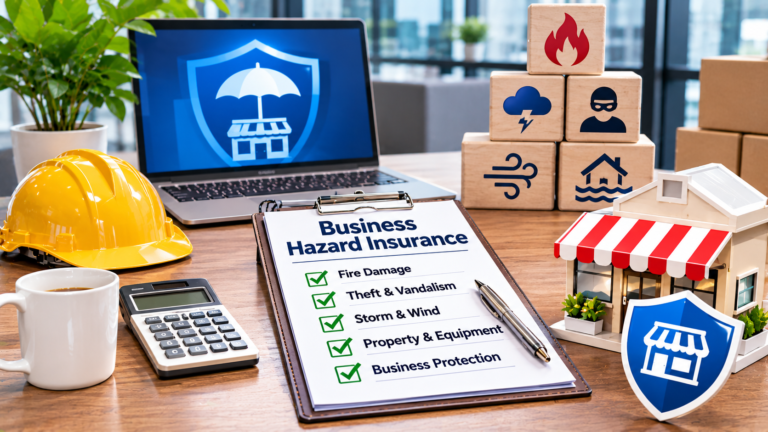
| Commercial property insurance | Fire, theft, vandalism, storms | Businesses with a shop or stock |
| Business owner’s policy (BOP) | Liability + property + business interruption | Most small businesses |
| Professional liability insurance | Errors and negligence in services | Consultants, accountants, designers |
| Workers’ compensation insurance | Medical costs, lost wages for injured staff | Any business with employees |
| Commercial auto insurance | Accidents in business vehicles | Businesses with vehicles |
| Cyber liability insurance | Data breaches, customer data theft | Businesses storing customer data |
General Liability Insurance
General liability insurance is the foundation of small business insurance. It covers claims that a third party was injured or their property was damaged because of your business, and it pays your legal defense even when the claim turns out to be wrong. Almost every business should start here.
Business Owner’s Policy (BOP)
A business owner’s policy bundles general liability, commercial property and business interruption into one package. According to the Insurance Information Institute, a BOP is the most common choice for small businesses and usually costs less than buying each policy separately.
Professional Liability Insurance
Professional liability insurance, also called errors and omissions insurance, covers claims that your work caused a client financial harm — an accountant’s tax error or a consultant’s bad advice. General liability does not cover these, so service businesses need this policy too.
Workers’ Compensation Insurance
Workers’ compensation pays medical costs and part of lost wages when an employee is hurt or becomes ill because of their job. It is required by law in almost every state for businesses with employees — without it, an injured worker’s costs and the fines fall on the business.
Why Small Business Insurance Matters

- It keeps one accident from closing your business. A single slip-and-fall lawsuit can cost $50,000 or more in legal fees alone. Insurance pays the defense and the settlement, so the business survives.
- It is often required by law. Workers’ compensation is mandatory in almost every state, and commercial auto is required for business vehicles.
- Lenders require it. If you borrow to buy property or equipment, the lender will usually require property and liability coverage. Our guide to term business lending explains what lenders expect.
- It keeps income flowing after a disaster. Business interruption coverage replaces lost income while your shop is repaired, so rent and wages still get paid.
How Much Does Small Business Insurance Cost?
Cost depends on your industry, location, revenue, employees and limits. A home-based consultant pays far less than a restaurant with twenty employees.
The most useful figures come from Insureon, a broker that publishes median costs from its own customer data. The median small business pays about $42 a month for general liability insurance and about $65 a month for a business owner’s policy. Workers’ compensation costs more, at about $111 a month. These are medians, so half of businesses pay less and half pay more.
| Policy | Median Monthly Cost |
|---|---|
| General liability insurance | About $42 |
| Business owner’s policy (BOP) | About $65 |
| Professional liability insurance | About $61 |
| Workers’ compensation insurance | About $111 |
| Commercial auto insurance | About $147 |
| Cyber liability insurance | About $145 |
Risky industries such as construction and food service pay more than low-risk office work. Higher limits and lower deductibles raise the premium, while safety training, a clean claims record and a higher deductible bring it down. Get quotes from at least three insurers and compare policies with the same limits. Knowing the true value of your property also matters — our guide to managing assets explains how to list what your business owns and what it is worth.
How to Choose Small Business Insurance in 5 Steps
- List your risks. Write down what could go wrong: a customer injury, a fire, a stolen laptop, a data breach, an employee accident. This decides which policies you need.
- Check what the law requires. Workers’ compensation is mandatory in almost every state once you hire employees, and commercial auto insurance is required for business vehicles. Confirm any insurer you consider is licensed in your state on the National Association of Insurance Commissioners’ Consumer Information Source.
- Work out how much coverage you need. Add up what it would cost to replace your property, defend a lawsuit and survive a month of closure. A common starting point is $1 million in general liability per occurrence.
- Get at least three quotes. Ask three insurers or one independent broker, giving each the same information so quotes are comparable. A quote much cheaper than the others usually means lower limits or bigger gaps.
- Compare the policies, then review yearly. Read what each policy excludes — floods, earthquakes and professional mistakes are common exclusions — and check the deductible and limits. Review your coverage yearly and whenever you hire, buy equipment, move, or start selling online.
Common Mistakes When Buying Small Business Insurance
- Having no insurance at all. One lawsuit or fire can end an uninsured business.
- Buying the cheapest policy without reading it. A low premium often means low limits, high deductibles or big exclusions. Compare coverage first.
- Underinsuring your property. Listing equipment at purchase price, not replacement cost, leaves you short when you rebuild.
- Forgetting professional liability. General liability does not cover mistakes in your work, so consultants, accountants and designers need this policy too.
- Skipping business interruption coverage. Property insurance rebuilds your shop but does not pay rent and wages while closed.
- Not updating the policy as the business grows. Hiring, buying a van or launching an online store change your risk, and claims can be denied if the policy does not reflect the change.
A Practical Example: Insuring a Small Bakery
Sara runs a small bakery with five employees, a rented shop, two ovens, a delivery van and online ordering. She bought a business owner’s policy for about $70 a month, covering general liability up to $1 million, her ovens and stock against fire and theft, and business interruption. She added product liability, commercial auto for the van, and workers’ compensation.
Six months later, a small fire damaged one oven and forced the shop to close for two weeks. Her BOP paid for the repair and replaced about $6,000 of lost income. Her premiums for the year were about $3,000; without insurance, the fire would have cost her over $15,000 out of pocket. Insurance did not stop the fire, but it made the fire survivable.
Frequently Asked Questions
1. What is small business insurance?
Small business insurance is a set of policies that protect a business from financial loss. It covers lawsuits, property damage, employee injuries, lost income and data breaches, depending on the policies you buy.
2. How much does small business insurance cost?
It depends on your industry, location, revenue and employees. According to Insureon, a small business pays about $42 a month for general liability insurance and about $65 a month for a business owner’s policy. Workers’ compensation costs more, at about $111 a month.
3. What types of business insurance do I legally need?
Workers’ compensation is required in almost every state once you have employees, and commercial auto is required for business vehicles. Check your state insurance department’s website for any extra requirements.
4. What is a business owner’s policy (BOP)?
A business owner’s policy bundles general liability, commercial property and business interruption into one package. According to the Insurance Information Institute, it is the most common choice for small businesses.
5. Do I need insurance if I run a home-based business?
Yes. A standard homeowner’s policy does not cover business equipment, business liability or customers who visit your home for business. A home-based business usually needs a business owner’s policy or a rider on the homeowner’s policy.
6. Does general liability insurance cover professional mistakes?
No. General liability covers bodily injury, property damage and advertising injuries, but not claims that your work or advice caused a client financial loss. Consultants, accountants and designers need professional liability insurance for that risk.
7. How do I choose the right insurance company?
Get quotes from at least three insurers or an independent broker, compare policies with the same limits, and read the exclusions. Check that the insurer is licensed in your state on the National Association of Insurance Commissioners’ Consumer Information Source.
8. How often should I review my business insurance?
Review your coverage once a year, and whenever your business changes: hiring, buying equipment or vehicles, moving, selling online, or signing a large contract. An annual review takes less than an hour.
Final Thoughts
Small business insurance is not a luxury. It is the safety net that lets a small business survive the accidents, lawsuits and disasters that hit every business. A single claim can cost more than years of premiums.
Start with the basics: general liability insurance or a business owner’s policy, workers’ compensation if you have employees, and commercial auto if you drive for work. Get three quotes, compare coverage instead of only price, and review your policies every year.
Disclaimer: This article is general information, not legal, financial or insurance advice. Rules, requirements and prices vary by state and insurer, so talk to a licensed agent or broker before choosing coverage.





One Comment