

Customer Service Best Practices to Keep Every Customer Happy in 2026
Introduction
A customer who feels helped comes back. One who feels ignored does not, and often tells friends about the bad experience too. For a small business, every customer matters, so how you treat people after the sale matters as much as the product itself.
Good customer service means answering fast, solving problems without a fuss, and treating every customer with respect. It needs no big team or expensive software: a one-person business with a clear plan can beat a large company with no plan at all.
This guide explains what great service looks like, which channels to offer, the tools that help, and the steps to set it all up. Follow it, and your customers will stay loyal in 2026.
Table of Contents
What Is Good Customer Service?
Good customer service is the help you give customers before, during and after they buy. It starts with a question about a product and continues through delivery, returns and follow-up. The goal is simple: make customers feel their time and money were respected.
Great service has four qualities: it is fast, so customers do not wait hours for an answer; friendly, so they feel welcome instead of being a bother; helpful, so the problem is actually solved; and consistent, so every customer gets the same care no matter who answers.
Many owners think good service is only about being nice. Being nice helps, but a clear process matters more. When your team knows what to say, how fast to reply and when to escalate, customers get good service every time. HubSpot says the best support teams combine speed with a genuine focus on helping the customer succeed.
Customer Service Channels Every Small Business Should Know
Your customers will reach you in different ways, so offer the channels they use. Start with two or three and do them well, because consistent service on a few channels beats slow replies on many.
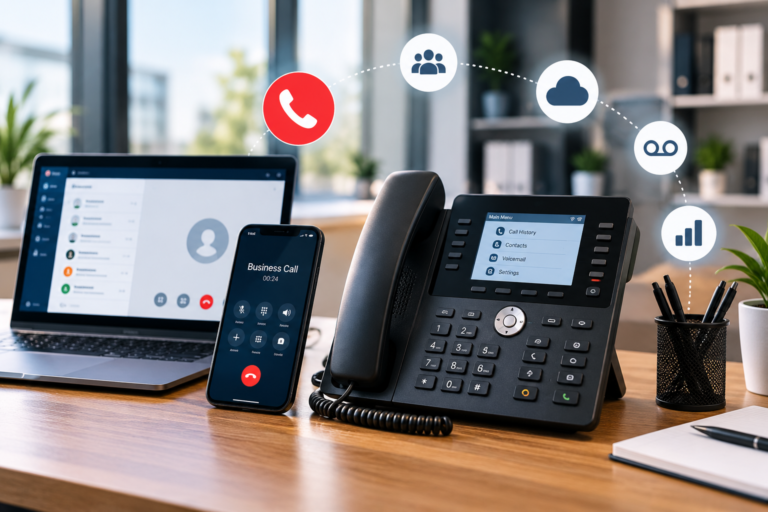
Phone. Phone calls suit urgent problems and customers who want a human voice. Post your hours, answer within a few rings, and use a voicemail that promises a callback within one business day.
Email. Email is the easiest channel for a small team. It creates a written record, lets you answer in batches, and works across time zones. Tell customers when to expect a reply, such as four business hours, and keep that promise.
Live chat. Live chat answers questions while customers are still deciding to buy. It is faster than email and cheaper than phone calls. Start with business hours only and add a chatbot for simple questions after hours. Our guide to AI tools for small business shows how chatbots can answer common questions while you focus on harder problems.
Social media. Customers often complain or ask questions in public on Facebook, Instagram or X. A fast, polite public reply shows others that you care, then move the details to a private message.
Self-service. A simple FAQ page lets customers solve easy problems alone at any hour. Write short answers for shipping, returns, refunds and accounts, and link the page from your website footer and order emails.
Benefits of Great Customer Service
- More repeat buyers. A customer who had a good experience is far more likely to buy again than a new customer is to buy once.
- Free word of mouth. Happy customers recommend you to friends and leave good reviews, bringing in new buyers without ad spend.
- Higher spending. Customers spend more with businesses they trust, and they accept a fair price when help is there if something goes wrong.
- Fewer refunds and chargebacks. Many refunds happen because a customer could not reach anyone. A quick reply often turns a refund request into a replacement or fix.
- Better reviews. Review sites punish slow or rude support. Fast, kind replies earn five-star reviews that convince new customers to try you.
- A real competitive edge. Products can be copied, but great customer service is hard to copy. For a small business, it is often the best way to stand out against bigger rivals. Follow up with buyers after a purchase, and our guide to email marketing shows how to turn one-time buyers into repeat customers.
How to Set Up Customer Service in 7 Steps

- List the questions customers ask most. Look at your inbox and social messages from the past month. The top ten become your FAQ page and reply templates.
- Pick two or three channels. Choose the channels your customers already use. For most small businesses, email plus live chat is a strong start, with phone for urgent issues.
- Set response-time promises. Decide how fast you will reply on each channel, such as one hour for live chat and four business hours for email. Publish these times.
- Write reply templates. Prepare short, friendly templates for common cases: late delivery, damaged item, refund request, wrong size and password reset. Templates keep replies fast and consistent.
- Choose one helpdesk tool. A shared inbox or simple helpdesk keeps every message in one place. Start free or cheap and pay more only when your volume grows. Zendesk lists the skills and tools small teams need for consistent support.
- Train everyone who talks to customers. Even part-time staff need to know your tone, your refund policy and when to escalate. A one-page guide with example replies is enough to start.
- Ask for feedback and improve. After a problem is solved, ask the customer to rate the help. Review the answers monthly and fix the most common complaint first.
Customer Service Tools and Channels Compared
| Channel | Best For | Typical Response Speed | Cost Level |
|---|---|---|---|
| Phone | Urgent or complex problems | Minutes | Moderate |
| Detailed questions, order issues | Hours | Low | |
| Live chat | Pre-sale questions, quick fixes | Minutes | Low to moderate |
| Social media | Public questions, complaints | Hours | Low |
| Self-service help center | Common questions, any hour | Instant | Low |
The right mix depends on your customers. An online store with young buyers may need live chat and social media most, while a service business with older clients may need phone and email most. Start with the channels that fit your buyers and add more only when you can staff them well.
How to Measure Customer Service Success
You cannot improve what you do not measure, so track a few simple numbers every month.
Customer satisfaction score (CSAT). After a support conversation, ask the customer to rate the help from 1 to 5. Above 4 is good, and a falling score is an early warning.
First response time. How long does a customer wait for the first reply? Shorter is better, and it matters more than total resolution time for most customers.
First-contact resolution. What share of problems is solved in the first conversation? A high rate means your team has the answers and authority to fix things.
Repeat purchase rate. Great service shows up in sales: if customers who contacted support buy again often, your service builds loyalty instead of just fixing problems.
Review these four numbers monthly. If one drops, find the cause before it becomes a trend: slow replies, missing information or a product problem that keeps coming back.
Common Mistakes to Avoid
- Replying slowly. A customer who waits a day for an answer has often decided to shop elsewhere. Set a response-time promise and keep it.
- Hiding your contact details. If customers cannot find an email address or phone number, they assume you do not want to hear from them. Put contact details in your footer and order emails.
- Arguing with customers. Even when a customer is wrong, arguing never wins the sale. Acknowledge the problem first, then explain the fix.
- Offering too many channels. Five half-staffed channels are worse than two well-run ones. Add one only when you can answer it properly.
- Never following up. Solving the problem is only half the job. A short follow-up shows the customer you cared, and it often earns a good review.
- Ignoring complaints. Every complaint is free feedback for your customer service. Log complaints, look for patterns, and fix the root cause instead of handling the same problem fifty times.
A Practical Example of Great Customer Service in a Small Online Store
A small store selling handmade candles had 200 orders a month and one owner answering all emails. During the holidays, replies took two days, and negative reviews about slow support started to appear.
The owner made three changes: a FAQ page for shipping and returns, live chat during business hours, and reply templates for the five most common questions, plus a short feedback survey after each solved problem.
Within six weeks, first replies dropped from two days to under two hours, and the store’s rating rose from 3.8 to 4.6 stars. Holiday sales grew as happy customers came back and recommended the shop. The owner still answers messages herself, but a simple process does the heavy work. Satisfied customers also bring new buyers through referrals, and our guide to lead generation explains how they become your best source of new business.
Frequently Asked Questions
1. What is the most important part of customer service?
Speed and honesty matter most: customers want a fast first reply and a clear answer about what happens next. A quick reply that says “we are checking this and will update you by 5 pm” beats a perfect answer two days later.
2. How fast should a small business reply to customers?
Aim for under one hour on live chat, under four business hours on email, and under one business day on social media. Publish these times on your contact page, and meet them even on busy days.
3. Do small businesses need customer service software?
Not at first. A shared inbox and a FAQ page are enough for low volumes. Above about 20 messages a day, a simple helpdesk tool pays for itself by keeping every message in one place. Shopify has a useful guide to support tools for small online stores.
4. How do I handle an angry customer?
Stay calm, let the customer finish, and repeat the problem back so they feel heard. Apologize, explain the fix and the timeline, and follow up after it is done. Never argue or blame the customer in writing.
5. How can I improve customer service without hiring staff?
Use templates for common questions, add a FAQ page, and set up a chatbot for simple queries after hours. These steps handle most routine messages, so your time goes to the problems that truly need a human.
6. What is a good customer satisfaction score?
For most small businesses, a CSAT above 4 out of 5 is good, and above 4.5 is excellent. Measure it monthly and watch the trend, not just one month’s number.
Final Thoughts
Great customer service is not about a big budget. It is about answering fast, being honest, solving the problem and following up. Businesses that do these four things well earn loyalty no discount can buy.
Start small. Pick two channels, set response times, write your templates and measure results monthly. Improve one thing at a time, and your customers will notice. That is how a small business turns one-time buyers into customers for life.
Disclaimer: This article is general information, not professional advice. Tools and prices change over time, so check current features before choosing a tool.